Most Indians live far from specialised digestive and metabolic care. They are also surrounded by misinformation – about food, about gut health, about when to seek help. Public-health attention focuses on the cities. The Tier II towns and the villages that surround them are largely on their own.
Digestive Wellness Foundation was set up in 2026 as a Section 8 charitable company to change that. We work in three connected ways: education that families can trust, community health programmes delivered through schools and camps, and research that turns what we see on the ground into evidence other practitioners can use.
We partner with schools, hospitals, and community organisations to deliver direct healthcare where it is most needed. Our 2026 surgical camp at Hemalkasa, Gadchiroli – held in collaboration with AMASI and Lok Biradari Prakalp – provided 42 surgeries for tribal patients who had been waiting years for care. An earlier camp in Pimpalgaon at Dhanwantari Hospital, had 17 surgeries.
We are running NSCOPS-2026, a community-based study of childhood obesity and body composition in school children across Nashik. The study is the first of its kind for any Tier II Indian city. Every participating child receives a free personal health report. The aggregate findings will inform school health policy and clinical guidelines for adolescent obesity management in Tier II India.
In surgical practice, I see how digestive and metabolic illness affects families. Digestive Wellness Foundation gives us a way to work earlier: through understandable health information, community programmes and locally relevant research.
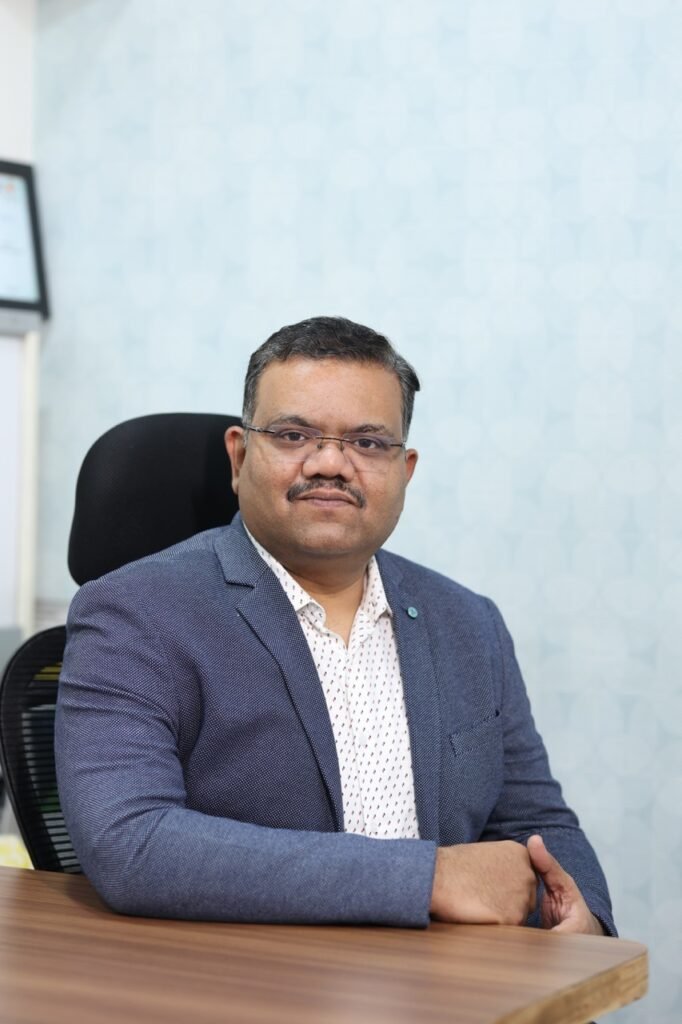
Dr. Sandeep Sabnis, MS, DrNB (Surgical Gastroenterology), FACS, is a GI, HPB, bariatric and advanced laparoscopic surgeon with 16 years of experience. He brings this clinical background to the foundation’s education and community health work.
The foundation welcomes clinicians, teachers, researchers, volunteers and community organisations who share this purpose. Our focus is on helping families understand their health and building evidence that can improve community care.
Director
Every programme is grounded in published evidence and clinical practice. Our public health content is reviewed by practising specialists. We are honest about what we do not yet know.
Our community programmes and education content are produced primarily in Marathi and Hindi, not in English first. Health information that does not reach the family in the language they think in does not reach the family at all.
We do not endorse pharmaceutical products, supplements, or commercial wellness offerings. We do not accept funding that is contingent on promoting a product. Our content exists to inform families, not to sell to them.